Anúncios
A Practical Guide to Choosing the Best Work Environment for Long-Term Professional Growth
The debate between remote work and office life has become one of the most relevant career questions of the modern era.
As companies continue to redefine how work gets done, professionals are left wondering which path offers the best opportunities for growth, visibility, and long-term success.
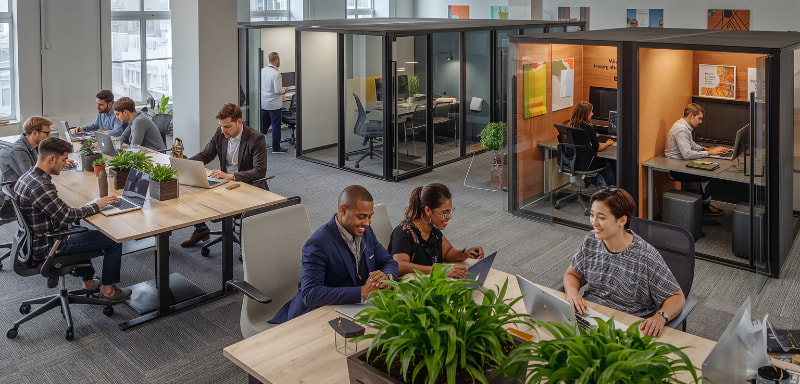
Understanding remote work vs office life is no longer just a preference issue, but a strategic career decision.
While some people thrive in the flexibility of working from home, others benefit from the structure and social interaction of an office environment.
Each model offers unique advantages and challenges, and the right choice depends on your goals, personality, and industry.
In this comprehensive guide, you will explore the pros, cons, and long-term implications of remote work vs office life so you can make a more informed decision for your career.
Understanding the Shift in How We Work
Before comparing remote work vs office life, it is important to understand why this debate exists in the first place.
Over the past decade, advances in technology have made it possible for millions of professionals to work from anywhere, reducing the need for physical offices in many industries.
At the same time, organizations have started to rethink productivity, collaboration, and employee well-being. What used to be considered a standard work model is now being challenged by more flexible approaches.
This shift has created new opportunities, but also new uncertainties, especially for professionals trying to build or advance their careers.
The Advantages of Remote Work
Remote work has gained significant popularity due to its flexibility and autonomy. For many professionals, it represents a new way of working that aligns better with personal needs and modern lifestyles.
Flexibility and Work-Life Balance
One of the biggest advantages of remote work is the ability to manage your schedule more effectively. Without the need to commute, professionals can reclaim valuable time and create a routine that fits their personal and professional responsibilities.
This flexibility often leads to improved work-life balance, which can reduce stress and increase overall satisfaction. However, it also requires discipline to avoid overworking or blurring the boundaries between work and personal life.
Access to Global Opportunities
Another key benefit of remote work is the ability to work for companies anywhere in the world. This expands the range of job opportunities and allows professionals to access roles that may not exist in their local market.

Working with international teams also exposes individuals to different perspectives and cultures, which can enhance both professional and personal development.
Increased Autonomy
Remote work often gives professionals more control over how they complete their tasks. This autonomy can boost motivation and productivity, especially for individuals who prefer independent work.
However, it also requires strong self-management skills, as there is less direct supervision and structure compared to traditional office environments.
The Challenges of Remote Work
Despite its advantages, remote work is not without its drawbacks. Understanding these challenges is essential when evaluating remote work vs office life.
Limited Visibility and Career Growth
One of the most common concerns about remote work is reduced visibility within the organization. Being physically absent can make it harder to build relationships, showcase your work, and be considered for promotions.
Professionals working remotely need to be proactive in communicating their achievements and maintaining strong connections with their teams and managers.
Communication Barriers
Remote work relies heavily on digital communication, which can sometimes lead to misunderstandings or delays. Without face-to-face interaction, it can be more difficult to build rapport and resolve issues quickly.
Effective communication skills become even more important in remote environments, as clarity and responsiveness are essential for collaboration.
Isolation and Motivation
Working from home can sometimes feel isolating, especially for individuals who value social interaction. The lack of daily contact with colleagues can impact motivation and overall well-being.
To overcome this, professionals need to find ways to stay connected and engaged, whether through virtual meetings, networking, or community involvement.
The Advantages of Office Life
While remote work offers flexibility, office life provides structure and direct interaction that many professionals still find valuable. Understanding these benefits is key to evaluating remote work vs office life.
Stronger Networking Opportunities
Being physically present in an office makes it easier to build relationships with colleagues, managers, and other professionals. These connections can play a significant role in career advancement.
Informal interactions, such as conversations during breaks or meetings, often lead to opportunities that may not arise in remote settings.
Clearer Communication and Collaboration
In-office environments allow for immediate and direct communication, which can improve collaboration and reduce misunderstandings. Face-to-face interactions make it easier to exchange ideas and solve problems quickly.
This can be particularly beneficial in roles that require teamwork and constant coordination.
Greater Visibility and Recognition
Working in an office often increases your visibility within the organization. Being present allows you to demonstrate your skills, contribute to discussions, and build a reputation among peers and leaders.
This visibility can lead to greater recognition and potentially faster career progression.

The Challenges of Office Life
Although office environments offer several advantages, they also come with limitations that can impact your career and lifestyle.
Less Flexibility
Office jobs typically require fixed schedules and commuting, which can reduce flexibility and increase stress. Long commutes, in particular, can take up valuable time and affect overall well-being.
For some professionals, this lack of flexibility can outweigh the benefits of being physically present in the workplace.
Workplace Distractions
While offices facilitate communication, they can also introduce distractions that impact productivity. Noise, interruptions, and frequent meetings can make it harder to focus on deep work.
Managing these distractions requires discipline and effective time management.
Limited Work-Life Balance
The structure of office life can sometimes make it more difficult to balance personal and professional responsibilities. Fixed hours and physical presence can limit your ability to manage your time according to your needs.
This can lead to increased stress and reduced satisfaction over time.
How to Choose What Is Best for Your Career
When evaluating remote work vs office life, there is no one-size-fits-all answer. The best choice depends on several factors, including your career stage, personality, and long-term goals.
Key Factors to Consider
Making the right decision requires a careful analysis of your priorities and circumstances.
- Your career goals and whether your role benefits more from visibility or flexibility.
- Your personality and whether you thrive in independent or collaborative environments.
- The nature of your industry and how work is typically structured within it.
The Rise of Hybrid Work Models
In response to the limitations of both models, many organizations are adopting hybrid work arrangements. This approach combines elements of remote work and office life, offering a balance between flexibility and structure.
Hybrid models allow professionals to benefit from in-person interaction while maintaining the autonomy of remote work. For many, this represents the best of both worlds and a more sustainable long-term solution.
Productivity Myths and Real Performance
A common misconception in the debate around remote work vs office life is that one model is inherently more productive than the other.
In reality, productivity depends far more on how work is structured, managed, and measured than on where it happens.
Some people perform better in quiet, independent environments, while others rely on the energy and accountability of a shared workspace.
It is also important to recognize that productivity is not just about output, but about consistency, quality, and sustainability over time.
Professionals who understand how they work best and design their routines accordingly are more likely to perform well regardless of the environment they choose.
How Career Stage Influences the Best Choice
Your stage of career plays a significant role in determining whether remote work or office life is better for you. Early-career professionals often benefit from the structure, mentorship, and visibility that an office environment provides.

Being physically present can accelerate learning and make it easier to build relationships. On the other hand, more experienced professionals may find that remote work offers greater autonomy and efficiency.
With established skills and networks, they can operate independently while still maintaining strong professional connections. Understanding where you are in your career helps clarify which environment will support your growth.
Industry Differences That Matter
Not all industries approach remote work vs office life in the same way. Some sectors, such as technology and digital marketing, are more naturally suited to remote work due to the nature of their tasks.
Others, such as healthcare, manufacturing, or certain client-facing roles, still rely heavily on physical presence.
Even within the same industry, company culture can influence how work is structured. Some organizations prioritize flexibility, while others maintain more traditional models.
Researching your specific field can help you make a more realistic and strategic decision.
How to Succeed in Remote Work
Choosing remote work requires more than just enjoying flexibility. It demands discipline, communication skills, and a clear structure for your day. Professionals who succeed remotely are intentional about how they work and how they stay visible within their organization.
- Establish a consistent daily routine that separates work time from personal time and helps maintain focus throughout the day.
- Communicate proactively with your team and managers to ensure alignment, visibility, and trust in your performance.
- Create a dedicated workspace that minimizes distractions and supports long periods of concentration.
How to Succeed in Office Life
Working in an office environment also requires strategy. While visibility and access to people can be advantages, making the most of them depends on how actively you engage with your environment.
- Take initiative in conversations and meetings to demonstrate your ideas, skills, and willingness to contribute.
- Build genuine relationships with colleagues and leaders, as these connections often influence opportunities for growth.
- Manage your time effectively to balance collaboration with focused work, avoiding unnecessary distractions.
Conclusion
The question of remote work vs office life ultimately comes down to what aligns best with your career goals and personal preferences. Both models offer unique advantages and challenges, and understanding them is essential for making an informed decision.
Rather than choosing one option blindly, take the time to evaluate your priorities and experiment with different work environments when possible. Your career is a long-term journey, and the best choice is the one that supports your growth, well-being, and success over time.
Start by reflecting on your current situation and identifying what matters most to you. With the right approach, you can choose a work style that not only fits your life but also helps you build a stronger and more fulfilling career.