Anúncios
Picture this: your lights know when to dim as the sun sets, your thermostat adapts as you walk from room to room, and every device works together seamlessly. These are all hallmarks of a future smart home that doesn’t just meet your current needs, but evolves right along with you.
Choosing smart technology isn’t about chasing trends, but about setting up your space for ongoing convenience, improved security, and meaningful energy savings. A future smart home adapts, adjusts, and expands as your lifestyle, family, and technology changes.
In this article, we’ll break down real-world tips and strategies for building a home that grows smarter over time. If you want tech that won’t become obsolete, let’s explore how to lay the foundation for lasting comfort and control.
Establishing a Flexible Smart Home Foundation Maximizes Expansion
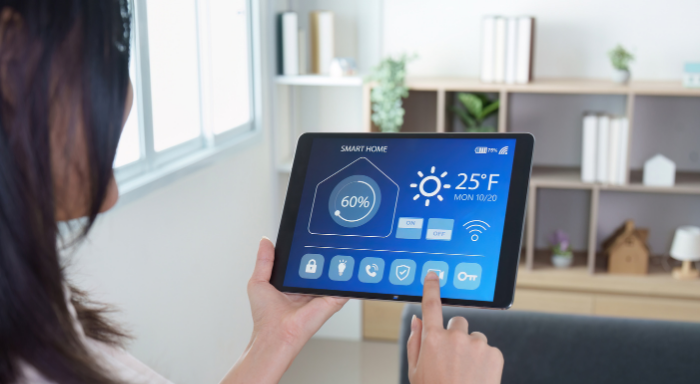
Getting your future smart home foundation right allows you to add devices and features without frustration later. Starting with flexible systems and connectivity standards means far fewer headaches as your needs grow.
Choose technologies designed to work with a diverse ecosystem, so you’re never locked into one vendor or protocol. This makes future updates and upgrades simpler—and avoids starting from scratch years down the road.
Anúncios
Networking: Building Lasting Wireless and Wired Infrastructure
Reliable Wi-Fi and Ethernet cover every smart home device, from doorbells to security cams. Place access points strategically to minimize dead zones, ensuring smooth operation whether you’re streaming media or automating daily routines.
Wired Ethernet connections in key locations help future-proof rooms that may later house smart TVs, sensors, or gaming consoles. Running conduit or using cable raceways lets you add new wiring without costly renovations.
Dedicated smart home hubs gather Zigbee, Z-Wave, and Bluetooth traffic, keeping your critical devices talking with each other even in Wi-Fi outages. This stable core infrastructure helps a future smart home run smoothly for years.
Anúncios
Device Compatibility: Ensuring Systems Play Nicely Together
Look for devices labeled “Works with Matter” or “HomeKit Compatible”—universal standards now shaping the future smart home. This widens your brand choices and gives you flexibility as options improve.
Test how new devices interact with existing hubs before scaling up. Trying out routines like “bedtime mode” ensures that smart locks, shades, and lights sync correctly without manual troubleshooting every night.
As your family or routine expands, devices with open APIs let you customize triggers later using scripts or automation apps. This minimizes having to replace perfectly good gear just to gain more advanced routines.
| Foundation Type | Setup Complexity | Upgrade Potential | When to Use |
|---|---|---|---|
| Wi-Fi Mesh | Low | High | For whole-house coverage and maximum device mobility. Expand mesh nodes as your home grows. |
| Ethernet Backbone | Medium | High | For stationary, bandwidth-hungry devices like gaming rigs, servers, media centers, and security cameras. |
| Zigbee/Z-Wave | Low | Medium | Ideal for low-power sensors and switches, offering reliable communication independent of Wi-Fi load. |
| Smart Hub | Low | Medium | Centralizes automation and bridges devices across protocols. Add more hubs only as complexity increases. |
| Open Source Platform | High | Highest | Allows ultimate customization and scripting. Ideal for enthusiasts wanting future smart home control and privacy. |
Prioritizing Interoperability Simplifies Your Future Smart Home Upgrades
Smart products work best when they talk to each other natively, eliminating complex workarounds. By picking systems known for cross-brand compatibility, you make future upgrades easy, minimizing integration challenges.
The future smart home should respond naturally to your needs, not force you to juggle multiple apps or remotes. Favor ecosystems that value open standards, giving you more freedom to pick the best devices for each task.
Identifying Open Standards for Longevity
Matter, Zigbee, and Z-Wave tend to offer years of service and solid cross-brand support. Watch for updates to these protocols and favor products with strong long-term update policies for your future smart home stability.
- Choose Matter-certified devices to maximize long-term compatibility—these unify major smart home platforms, streamlining setup and integration.
- Opt for Zigbee or Z-Wave sensors for reliable, low-power data transmission—great for battery-powered setups in areas with spotty Wi-Fi.
- Select devices with cloud-independent modes—these allow continued use during internet outages for increased reliability and privacy in your future smart home.
- Pick products supporting local routines, which reduces latency and enhances data security by keeping commands within your home network.
- Integrate hardware with publicly available APIs if custom automation and expansion are important to your household’s future smart home plans.
Testing one new standard at a time prevents overwhelm and lets you catch any pitfalls before your future smart home becomes too complex to manage.
Automated Routines: Making Devices Work Together
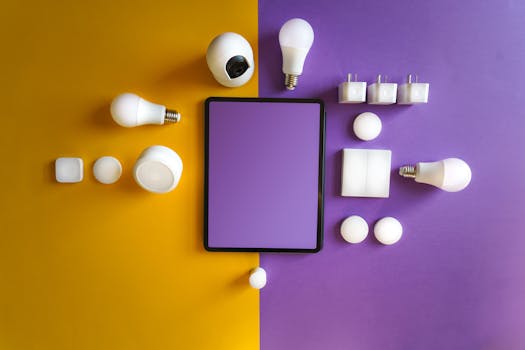
Implementing shared triggers, like “arriving home,” syncs your thermostat, lights, and video doorbell with one tap. Smart scenes, such as “good morning,” can gradually brighten lights and play calming music in sequence.
- Set up location-based automations for effortless arrivals and departures—your future smart home can then lock doors and control lighting as you come and go.
- Schedule recurring routines, such as energy-saving “away” modes, to ensure your house always adapts to your daily habits—reducing waste and saving money.
- Combine sensors and actions for security, activating sirens or video alerts only when unusual activity is detected for a pragmatic future smart home.
- Integrate voice assistants with lighting, security, and entertainment hubs—simplifies controls and allows for customized accessibility for each family member.
- Create separate routines for work, relaxation, or travel, so your environment aligns with your current mindset, making a future smart home responsive to your life.
Start with simple scenes, refining and expanding them gradually. It’s easiest to make adjustments when routines are still new and your future smart home is manageable.
Securing Your Connected Home Prepares for Ongoing Privacy and Protection
Fortifying your future smart home against unauthorized access protects your family and personal data. Taking security seriously at every stage ensures smart convenience never comes at the expense of privacy or safety.
Start with built-in protections—strong passwords, regular software updates, and secure network segmentation—to shield your future smart home from evolving threats and vulnerabilities as technology grows more complex.
Device Authentication Tactics Reduce Unauthorized Access
Employ multi-factor authentication for all device logins, adding an extra verification step. This reduces reliance on static passwords and thwarts basic intrusion attempts into your future smart home.
Enable biometric features where available—unlock doors with fingerprints or control systems with facial recognition. This gives tangible confirmation that only trusted people access your future smart home controls.
Monitor access logs consistently for odd behavior, such as unrecognized locations or repeated failed attempts. Most modern systems let you check this in their dashboards, giving useful insights for quick security audits.
Network Segmentation Keeps Devices and Data Isolated
Put smart home tech on a separate guest Wi-Fi or VLAN, ensuring computers and phones aren’t jeopardized if a device is compromised. This enables rapid containment of any incident that might threaten your future smart home.
Disable guest access to critical devices, sharing permissions only as necessary for new users or guests. This type of digital boundary mimics closing off private rooms in your physical house.
Keep firmware updates on a visible calendar or enable auto-updates, reducing the window where hackers can exploit newly discovered vulnerabilities in your future smart home gadgets.
Expanding with Sensors, Plugs, and Modular Automation Grows Value Effortlessly
Layering sensors and smart plugs gives your future smart home context awareness, empowering hands-free automation. Adding these components gradually also helps avoid system overload and unnecessary expense.
Each smart plug or sensor you add can work as a trigger for new routines. This lets you trial features before committing to bigger investments in your future smart home ecosystem.
Integrating Smart Sensors for Adaptive Responses
Install motion, door, temperature, and humidity sensors throughout your house. These quietly gather data and trigger helpful automations that adapt to daily changes in your environment.
Pairing a window sensor with your HVAC system prevents wasted energy and alerts you instantly if a door or window is left open in your future smart home.
Water leak detectors under sinks or appliances send direct phone alerts, preventing costly repairs. They’re easy to move and reconfigure as your needs evolve—making your future smart home smarter as you grow.
Choosing the Right Smart Plugs for Control and Monitoring
Plug lamps, coffee makers, and fans into smart plugs. This immediately turns basic items into controllable endpoints, which you can name and group for easy automation later in your future smart home.
Choose models that monitor energy use directly. Knowing which appliances draw the most power gives hard data for decisions on upgrades or replacements over time.
Keep some spare plugs in your toolkit. These let you instantly upgrade new purchases or test automations before investing in more expensive built-in future smart home systems.
Adapting Your Home Today Ensures Smart Technology Relevance Tomorrow
Start with a solid foundation and an eye toward interoperability to future-proof both comfort and convenience. As you expand, new sensors, routines, and automated zones will support anything daily life throws your way in your future smart home.
Prioritize device security and routine fine-tuning for long-term peace of mind. Every small investment you make deepens your control while affording adaptability as your future smart home and needs evolve.
A home that grows alongside you is always possible—one device, one automation, and one well-chosen system at a time. Commit to smart choices now and your future smart home will keep rewarding you every step of the way.
Ready to upgrade your home and make it smarter?